
Dt. Anushka
Bariatric Dietician & Content Writer
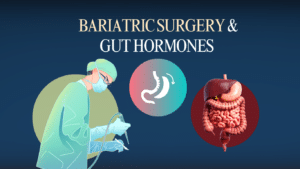
Bariatric Surgery & Gut Hormones
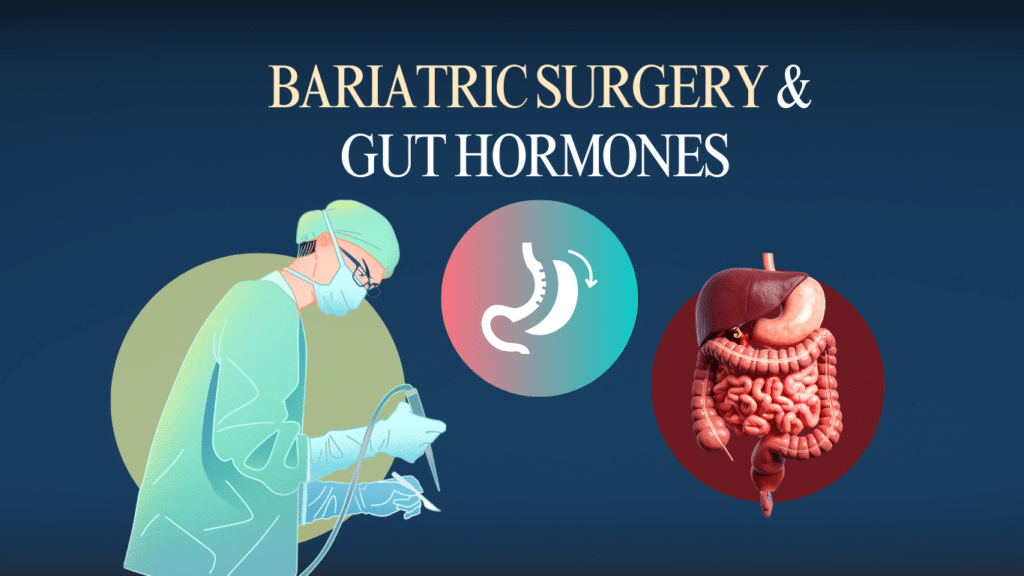
Bariatric Surgery & Gut Hormones
It’s a weight-loss surgery done in people who are severely obese. This reduces food intake, nutrient absorption, and also changes gut hormone levels, which helps in long-term weight loss and better blood sugar control. The mechanism of bariatric surgery works by making physical changes in the stomach or intestines that result in restricting the intake of food, and decreases absorption of nutrients. It even triggers beneficial hormonal changes that decrease hunger and enhances metabolism, results to sustained weight loss and reduces health issues like Type 2 diabetes.
Common Types:
Gastric bypass (Roux-en-Y):- it’s a procedure where a small stomach pouch is created, while the small intestine is reconnected to it, bypassing the rest of the stomach and the first part of the intestine.
Sleeve gastrectomy:- in this surgery almost 80% of the stomach is removed, while a narrow, tube-like stomach left behind which limits food and reduces ghrelin.
Adjustable gastric banding:- in this surgery an inflatable band is placed around the top of the stomach for creating a small pouch, along with adjustable opening for controlling the flow of food.
Biliopancreatic diversion:- this surgery is a powerful weight-loss surgery which significantly restricts the intake of food along with absorption of calories through removal of stomach part and rerouting the small intestine. This effect makes it quite effective & complex malabsorptive procedure for severe obesity.
Gut hormones
Gastrointestinal tract releases gut hormones to control
Hunger and satiety
Food intake
Insulin secretion
Energy balance
But after bariatric surgery, there are significant changes with gut hormones.
Ghrelinit’s a hunger hormone which is
Secreted mainly from the stomach, this hormone increases the appetite. But after surgery there is reduction of ghrelin levels, especially after sleeve gastrectomy this leads to less hunger and low food intake.
GLP-1 (Glucagon-like peptide-1)releasedby the small intestine. It increases the insulin secretion & promotes satiety. Post surgery the GLP-1 levels will rise. This leads to better blood glucose control, improvement with type 2 diabetes, & feeling full earlier.
PYY (Peptide YY)this hormone is released from the ileum and colon. The PYY slowdowns gastric emptying & reducing appetite. Post surgery there is rise with PYY levels which leads to early satiety & low-calorie intake
Insulinthis hormone helps in controlling blood glucose but after the surgery. There is improvement with insulin sensitivity which helps with better diabetes control, sometimes even before major weight loss.
While overall effects of bariatric surgery via gut hormones further leads to decreased hunger & food intake but increased satiety along with enhanced glucose metabolism & sustained weight loss.
Post Bariatric Surgery
After the bariatric surgery, there are few precautions should be focused on for gut hormones like following strict dietary guidelines, concentrating on protein, neglecting sugars/fats to manage dumping syndrome, preferring eating slowly along with chewing properly, staying hydrated, and taking prescribed supplements, as hormonal shifts (like increased GLP-1, PYY) affect appetite, but lifestyle changes are key to supporting beneficial hormone changes and preventing complications like deficiencies or addiction to substances like alcohol.
Dietary Precautions
Eat Slowly & Chew Thoroughly the small bites, slowly, prevents irritation and aids digestion.
Take small & frequent meals by aiming for 5-7 tiny meals/snacks daily.
Incorporate proteins for maintaining muscle mass in fact at every meal protein should be included.
Avoid consumption foods that are high with sugar-fat as they might lead to dumping syndrome (cramps, nausea, diarrhea).
Avoid consuming steer clear of bread, rice, pasta, and tough meats (steak, pork) initially.
Maintain hydration by sipping water consistently/frequently throughout the day; avoid drinking with meals.
Alcohol & caffeine should be avoided as they get absorbed faster, leading to gut irritation, and offer empty calories. Moreover, caffeine consumption raises the risk for dehydration.
Moreover, incorporation of physical activity should gradually support health & energy. While vitamins/minerals supplementations like Vitamins A, D, K, etc. become necessary & it should be consumed under health-taker’s guidance. Also, protein supplements become very crucial as it’s needed for meeting the daily protein requirements. Do regularly check blood tests for tracing nutritional deficiencies that cause after surgery.
Conclusion -
Bariatric surgery not only leads to weight loss through restricting food intake and absorption but also alters gut hormone secretion, that causes appetite reduction, increase in satiety, and improves metabolic health. But precautions & lifestyle guidelines should be focused like on a diet with proteins & other nutrients like vitamin A,D,K. Thus, supplementations should be taken on guidance of healthcare supervisor as post-surgery there are chances for deficiencies. Avoid caffeine, alcohol, sugary-fatty foods, large meal gaps as it might irritate the gut & trigger dumping syndrome (nausea, diarrhea, cramps). Also, later on with guidance of the doctor/healthcare supervisor gradually/slowly physical exercise should be involved.
Final Thoughts:
Smart label reading is about making informed choices that align with your personal wellness goals. The more familiar you become with what’s in your food, the more confident you’ll feel in making decisions that nourish your body and mind.
So next time you shop, take a few extra seconds to turn the package around. Your health is worth the read.